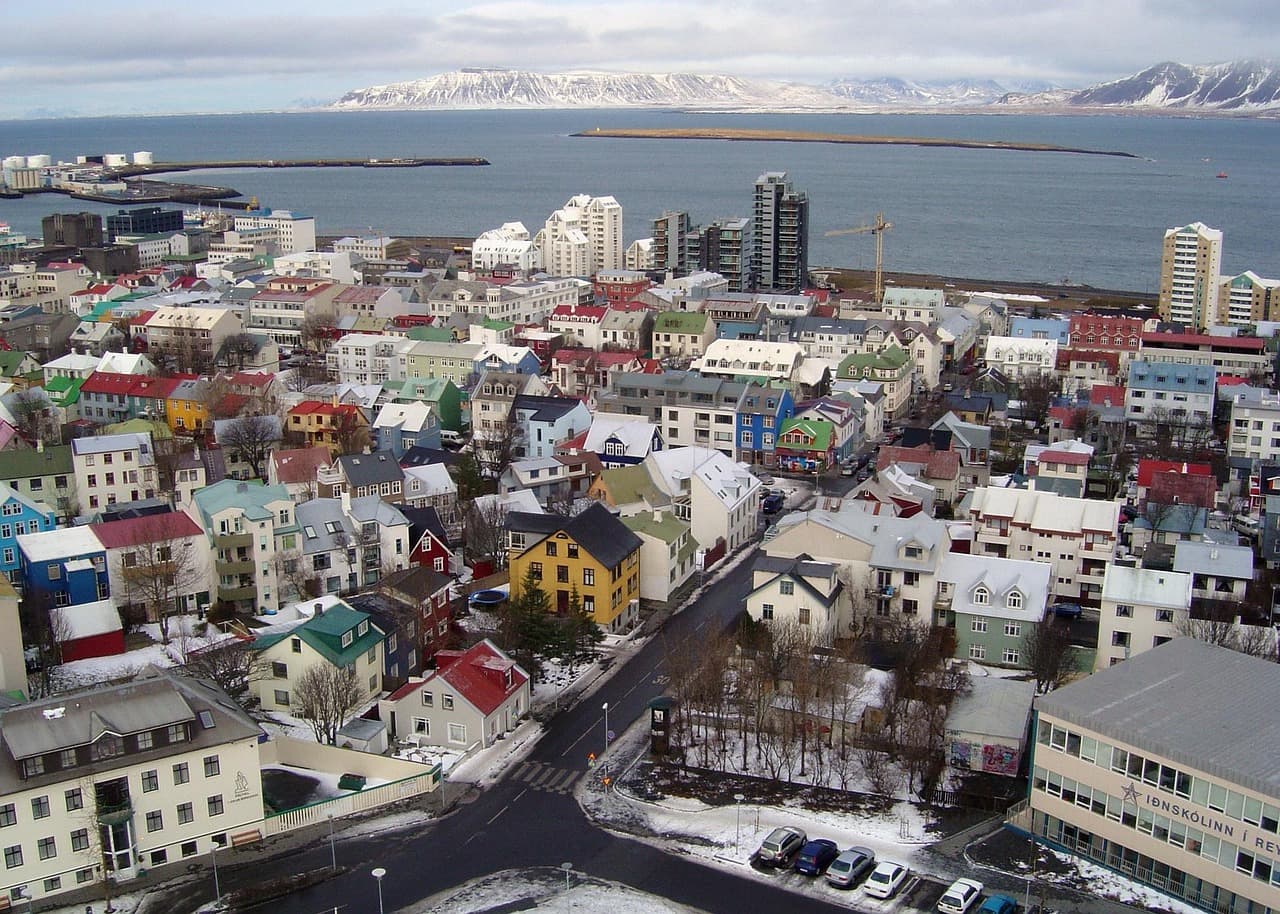
Geothermal Pools Reykjavík: The Complete Local Guide
Reykjavík has ten municipal pools plus the geothermal beach at Nauthólsvík. Here is which ones are worth your time, how much they cost, and the unwritten rules of using them.
By Dr. Hannah Reid· Published 4 May 2026
Reykjavik pools are not tourist attractions — they are the city's primary social institution. Every neighbourhood in the capital has at least one outdoor geothermal swimming complex, heated year-round by the same volcanic heat that runs beneath the island. Admission for adults runs around ISK 1,000–1,200 at most municipal pools in 2026; children pay considerably less. This guide covers every option worth knowing, from the most central to the most local.
Are There Thermal Pools in Reykjavík?
Reykjavík has ten municipal geothermal sundlaugar (swimming pools) operated by the city, plus the outdoor geothermal beach at Nauthólsvík. Every pool is heated by geothermal water drawn from the ground, maintaining consistent temperatures year-round — outdoor pools typically run at 28–30°C in the lanes and 38–44°C in the hot pots. Entry is covered by the Reykjavík City Card for unlimited visits.
The geothermal system that heats Reykjavík's pools draws hot water from underground reservoirs, the same volcanic heat source that Iceland's position on the Mid-Atlantic Ridge — where the Eurasian and North American tectonic plates diverge — keeps continuously active. This is not spa infrastructure built for tourists; it is municipal infrastructure built for residents that tourists happen to be able to use.
What Is the Famous Pool in Iceland?
The most famous pool in Iceland is the Blue Lagoon, a commercial geothermal spa on the Reykjanes Peninsula approximately 50 kilometres southwest of Reykjavík — not a municipal pool. Within Reykjavík itself, Laugardalslaug in the Laugardalur valley is the largest and most well-known municipal complex, and Sundhöllin on Barónsstígur is the most historically significant.
Laugardalslaug — Laugardalur Valley
Laugardalslaug is Reykjavík's largest outdoor pool complex. It has a 50-metre outdoor lane pool, multiple hot tubs, a steam room, waterslides, and a children's pool. Located in the Laugardalur valley, approximately 2.5 kilometres east of the city centre, it is accessible by bus (route 14 from Hlemmur Square) or a 25-minute walk from Laugavegur. The Laugardalur area also contains the city's botanical garden and a family sports complex, making it a practical afternoon destination.
Sundhöllin — Barónsstígur, Miðborg
Sundhöllin on Barónsstígur opened in 1937, making it the oldest pool building still in operation in Reykjavík. It was substantially renovated and extended — an outdoor rooftop pool and hot tubs were added — while retaining the original Art Deco interior. The location is central: Barónsstígur sits approximately ten minutes' walk south from Laugavegur. This is the pool that residents in the Miðborg district use before work; arriving before 08:00 on weekdays means sharing the water almost entirely with locals.
TIP: Most Reykjavík pools open at 06:30 on weekdays. Going before 08:00 means minimal queues and a genuinely local experience. Bring your own towel or rent one on site (typically ISK 600–800).
Vesturbæjarlaug — Hofsvallagata, Vesturbær
Vesturbæjarlaug on Hofsvallagata in the Vesturbær district is, by the consistent account of long-term Reykjavík residents, the pool with the best community atmosphere in the city. It is not the largest or the most central, but its mix of demographics, outdoor hot pots, and neighbourhood character make it the one local experts point visitors to when they want an authentic rather than tourist experience. Take bus 11 from Hlemmur or it is a 15-minute walk west from Hallgrímskirkja.
Pools in Reykjavík Iceland: The Full Municipal List
Reykjavík's remaining municipal pools serve different residential districts and are covered by the city card. The reykjavik city pools network, administered by Reykjavík City, publishes current opening hours at reykjavik.is.
- Laugardalslaug — Laugardalur valley; largest complex; waterslide
- Sundhöllin — Barónsstígur, Miðborg; rooftop outdoor pool; most central
- Vesturbæjarlaug — Hofsvallagata, Vesturbær; strongest neighbourhood character
- Árbæjarlaug — east Reykjavík; large full-service complex
- Grafarvogslaug — Grafarvogur district; north Reykjavík
- Breiðholtslaug — Breiðholt district; south Reykjavík
- Dalslaug — Dalsmýri, south-west Reykjavík
- Ásgarðslaug — Ásgarður district
- Ásvallalaug — Ásvallanes, Grafarvogur
Beyond the city pools, Nauthólsvík is a geothermal beach in Öskjuhlíð park, roughly 3 kilometres south-west of central Reykjavík. Hot water is pumped into a sheltered cove, warming the adjacent sea to around 15–19°C in summer — warmer than the open Atlantic. There is no admission fee for the beach area itself, though the changing facilities charge a small fee. Source: visitreykjavik.is.
Are Hot Springs in Iceland Free?
Municipal swimming pools in Reykjavík charge admission — around ISK 1,000–1,200 per adult in 2026. Children pay significantly less (the exact rate varies by age band). The Reykjavík City Card covers unlimited entry to all city pools and is worth buying for a stay of three or more days if pool visits are planned daily.
Genuinely free geothermal bathing exists in Iceland, primarily in the countryside and at natural hot springs accessible on hiking routes. Within Reykjavík, Nauthólsvík beach is the closest to a free natural geothermal experience — the beach area is open without charge, though changing facilities cost a small fee. Outside the capital, Reykjadalur (Hot River Valley), accessible by a 45-minute hike from Hveragerði approximately 45 kilometres from Reykjavík, offers free geothermal river bathing in a natural setting.
PRICE NOTE 2026: Adult pool entry at Reykjavík municipal pools typically costs ISK 1,000–1,200. The Reykjavík City Card covers all municipal pools — check current pricing at visitreykjavik.is before buying.
Is It Safe to Swim in the Blue Lagoon in Iceland?
The Blue Lagoon geothermal spa is considered safe to swim in under normal operating conditions — the water is maintained at specific temperature and mineral standards by the facility and is a silica-rich geothermal brine, not water drawn from a natural open spring. However, it is not a municipal pool but a commercial spa with its own entry requirements, pricing tiers, and booking system.
The more significant question in 2026 is whether it is open. The Blue Lagoon is located on the Reykjanes Peninsula, adjacent to the Svartsengi geothermal system, which has produced multiple fissure eruptions since 2021. The spa has closed temporarily on several occasions due to volcanic activity and lava flow proximity. Before visiting, always check current operational status at bluelagoon.is and road access at Icelandic Civil Protection.
- Entry requires advance booking — same-day tickets are rarely available
- Swimwear is mandatory and available for hire on site
- Jewellery must be removed before entering (the mineral content can cause discolouration)
- The facility is accessible by direct bus from BSÍ bus terminal in Reykjavík
Where to Begin
If this is your first visit to a Reykjavík pool, start with Sundhöllin for proximity and character, or Laugardalslaug if you want the full complex experience. Both are covered by the Reykjavík City Card. For the pools guide in full — including opening hours that are current as of today's date — use the official Reykjavík City website, which is updated regularly. The pools are one of the few things in Reykjavík that genuinely belongs to the city rather than to its tourist infrastructure, and that difference is perceptible within minutes of arriving.
Questions & answers
Common questions about Geothermal Pools Reykjavík: The Complete Local Guide.
Related Articles
Things to Do in Reykjavík with Kids: Complete Guide
Geothermal pools with slides, Hallgrímskirkja's tower, an indoor volcano experience at Harpa, and a preserved Viking longhouse — a practical local guide for families in Reykjavík.
Things to Do in Reykjavík: The Complete Visitor Guide
From geothermal pools and volcanic history to street art, harbour walks, and the best lamb soup in the north Atlantic — everything worth doing in Reykjavík, organised by a local.